
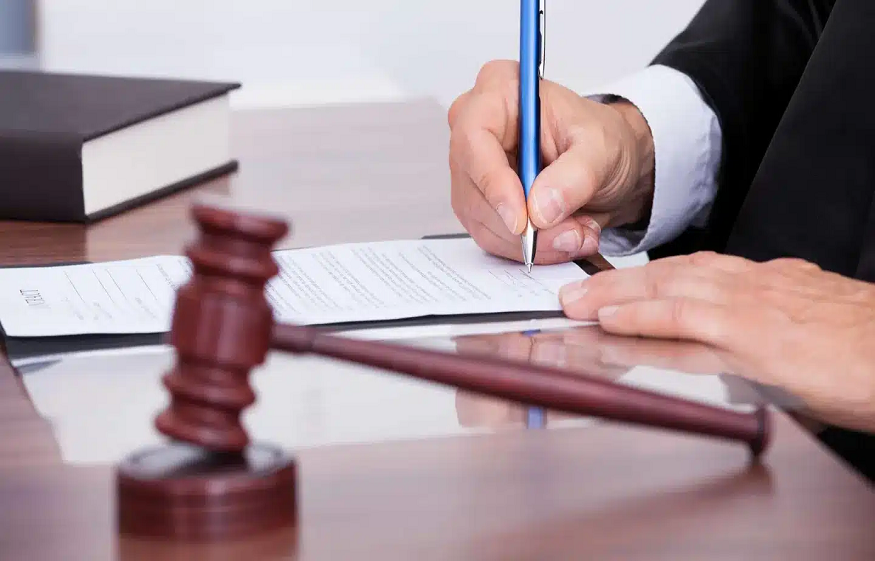
Many expats living in Dubai assume their assets will automatically pass to their family. However, without proper planning, asset distribution can become difficult. This is exactly why understanding executors and trustees in Dubai Wills is so important.
When preparing a Will in Dubai, these two roles protect your family from confusion and disputes. Whether you are an expat or a long-term resident, knowing who manages your estate, and how, can protect everything you have worked for.
Who Is an Executor?
An executor is the person you appoint to carry out the instructions in your Will. Think of them as the individual responsible for making sure your final wishes are followed through correctly.
According to the DIFC Courts, an executor does not need to be a UAE resident. They can also be a beneficiary of the Will at the same time. The most important requirement is that they are a trusted and responsible individual.
Roles and Responsibilities of an Executor
Once a person passes away, the executor steps in immediately. Their job is time-sensitive and involves several important steps:
- Contacting the DIFC Courts after the death occurs and submitting a death certificate as proof
- Applying for a grant of probate to gain the legal authority needed to manage the estate
- Locating, collecting, and securing all assets listed in the Will
- Paying any outstanding debts, bills, or taxes owed by the deceased
- Distributing the remaining assets to the named beneficiaries as the Will instructs
- Handling any claims or objections raised by third parties during the process
The executor role is largely short-term. Once the estate has been fully administered and assets distributed, their responsibilities come to an end.
Who Is a Trustee?
A trustee is different from an executor. While an executor wraps up the estate after death, a trustee manages assets over a longer period of time. This role becomes relevant when assets are placed inside a trust, often to protect them for children or beneficiaries who are not yet ready to receive them.
A trustee can be an individual or a professional institution. Either way, they are legally bound to act in the best interest of the beneficiaries at all times.
Roles and Responsibilities of a Trustee
The trustee role carries significant legal weight. Their duties go beyond simply holding assets, as they are responsible for actively managing and protecting them:
- Holding assets securely on behalf of the named beneficiaries
- Managing investments, property, or funds within the trust responsibly
- Making financial decisions that always prioritize the beneficiaries’ interests
- Keeping accurate records of all transactions and decisions made
- Communicating regularly with beneficiaries about the status of the trust
- Distributing assets to beneficiaries when the conditions set in the trust are met
Any mismanagement of trust assets can lead to serious legal consequences. Choosing the right person or institution for this role is not a decision to take lightly.
Risks of Choosing the Wrong Executor or Trustee
Many people pick a close friend or family member for these roles without thinking it through. It feels like the right thing to do, but the wrong choice can create serious problems for the people you are trying to protect. Here is what can go wrong:
- Mismanagement of assets: Someone without financial knowledge can make poor investment decisions, miss deadlines, or mishandle property, thereby shrinking the value of your estate before it even reaches your beneficiaries.
- Deliberate misconduct: In more serious cases, a dishonest executor can delay distributions on purpose, withhold assets, or prioritize their own interests over the people named in your Will.
- Legal disputes: When an estate is poorly managed, family members often end up in court fighting over what went wrong. These battles are expensive, emotionally draining, and can take years to resolve.
- Delayed distributions: An executor who is disorganized or simply too busy can leave beneficiaries waiting months for funds they may urgently need to cover living expenses or debts.
- Breach of trustee duty: Under DIFC Courts jurisdiction, a trustee who fails to act in the best interest of beneficiaries can be held personally liable. This puts both your estate and the trustee at legal risk.
- Procedural failures: Missing critical legal steps like applying for probate, filing the correct documentation, or notifying the right authorities can bring the entire process to a halt.
Before you finalize your decision, consider whether your chosen person has the financial literacy, the time, the integrity, and the genuine willingness to take on this responsibility.
Take Control of Your Estate Plan Today
Executors and trustees are the backbone of estate planning. Without them, even the most carefully drafted Will can stall. By choosing responsible executors and trustees, and by registering a valid Will in Dubai, you create a clear roadmap for your loved ones.
If you are unsure where to start, speaking with a qualified legal professional is the smartest first step. They can help you identify the right people for these roles, structure your Will correctly, and ensure everything is registered and legally enforceable.